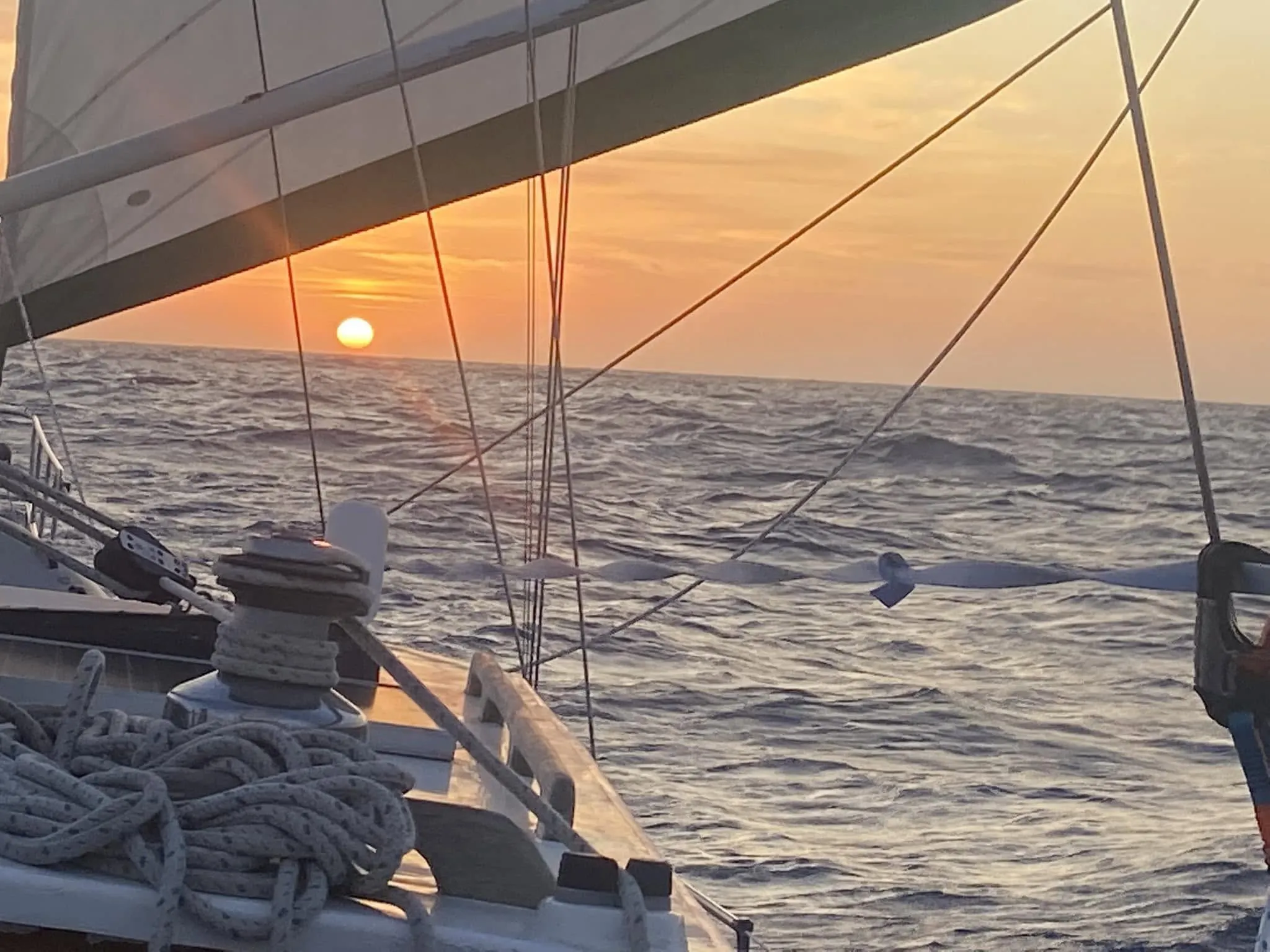
The weather
Sailing around the world means months of open ocean and whatever it throws at him: gales, big seas, cold, and the chance of a knockdown. There's no harbour to duck into when a storm is coming.
Sailing alone around the world without stopping is dangerous for anyone. Doing it on one natural leg adds a few more problems to solve. Here's what Tim's up against.
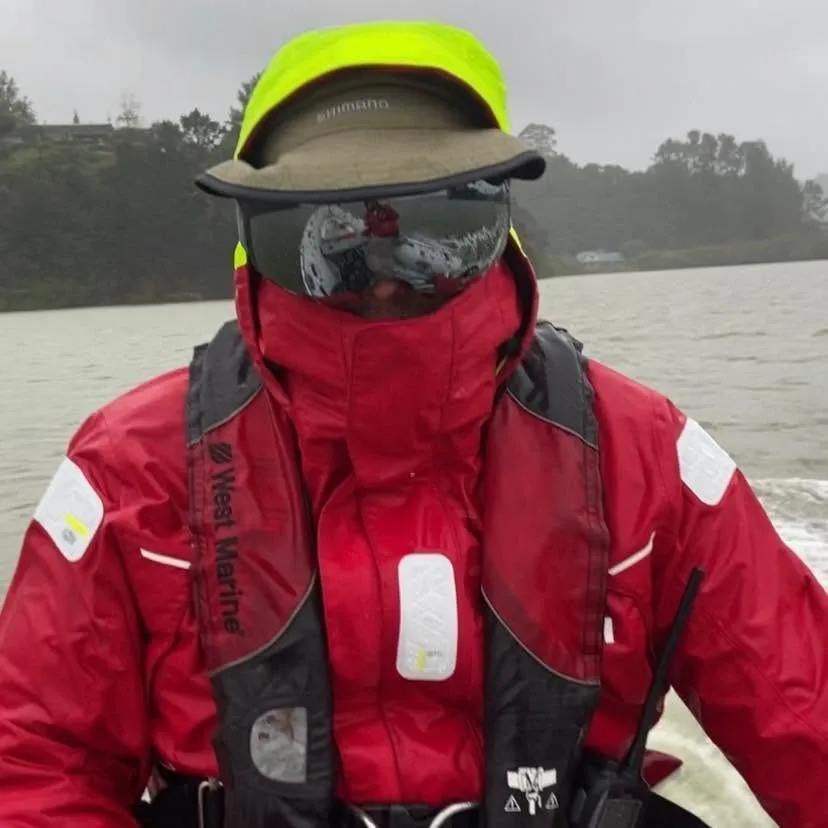
Sailing around the world means months of open ocean and whatever it throws at him: gales, big seas, cold, and the chance of a knockdown. There's no harbour to duck into when a storm is coming.
If a sail tears, a line chafes through or a fitting breaks, Tim fixes it at sea with what he carried from Adelaide. That's why so much of the fundraising goes on spares.
With nobody else on watch, Tim sleeps in short naps, day and night, for the whole voyage. Tiredness is one of the biggest dangers for any solo sailor.
A boat deck never stops moving. Tim has to keep his balance, climb, winch and work the foredeck on one natural leg and one prosthetic, in salt water and wet gear, with spare prosthetic parts on board and no clinic to visit.
Out in the ocean, help can be days away. Tim has to be his own medic for anything from a cut hand to a serious fall.
Ships, fishing boats, floating debris and whales. AIS shows him shipping nearby and shows them where he is, but he'll still be asleep for part of every day.
No other person on board for the whole voyage. Starlink lets him stay in touch with home and post to this site, which helps.
Most of these risks come down to what's on board and how well it's been set up before he leaves. That's why the refit, the spares and the emergency equipment come first, and why the fundraising matters.
His position is tracked by satellite for the whole voyage, so people at home always know where he is.